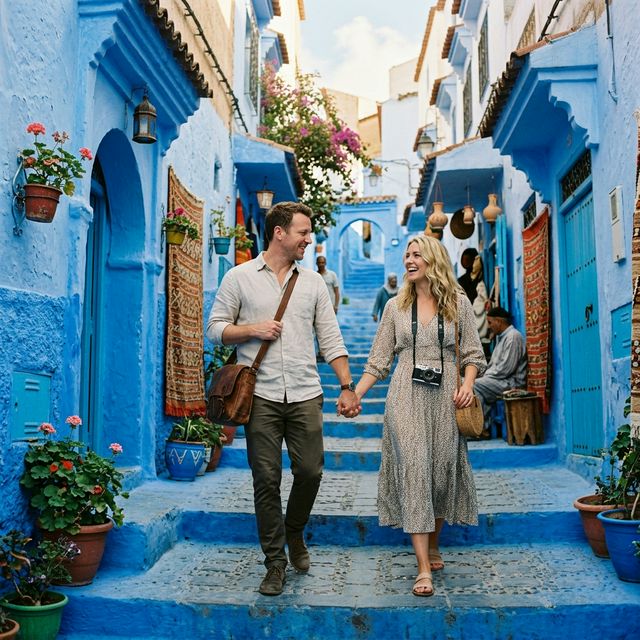
Is Morocco Safe for UK Tourists? The Complete 2026 Guide
Morocco is one of the most easily accessible and culturally rich destinations for British travellers. Just a three-hour flight from London, it transports you from overcast skies to vibrant souqs and sun-drenched riads in an afternoon.
But if you’re planning your first trip, it’s entirely natural to wonder: Is Morocco safe for UK tourists?
The short answer is yes. Morocco welcomes over half a million British tourists every year, and the vast majority of these trips are completely trouble-free. However, navigating the Medina requires a different kind of street smarts than walking through the Cotswolds.
This guide covers everything you need to know—from the latest FCDO advice and petty scams to regional safety and health precautions—tailored specifically for British travellers.
Overview: The FCDO Advice for Morocco
Morocco consistently ranks as one of the most politically stable and safest countries in North Africa.
The UK’s Foreign, Commonwealth & Development Office (FCDO) advises that most visits to Morocco are trouble-free. Visitors are reminded to respect local laws and customs, particularly during Ramadan, and to remain vigilant in crowded tourist areas where pickpocketing can occur.
Pro Tip: Always check the official FCDO travel advice for Morocco before your departure for real-time safety updates and entry requirements.
[Image Prompt] “An elegant editorial photograph of the Koutoubia Mosque in Marrakech at dusk. Warm golden hour lighting, peaceful atmosphere, high-end travel magazine aesthetic.”
Safety by Region
Not all parts of Morocco present the same level of risk. Here is what British tourists should expect across the major destinations:
Marrakech and Fes
The imperial cities are heavily policed and generally very safe. Your primary concern in the labyrinthine Medinas of Marrakech and Fes is getting lost or encountering petty scams. Keep your valuables secure in crowded souqs and politely but firmly decline unsolicited offers for “guides.”
The Atlas Mountains and Sahara Desert
Rural Morocco is incredibly safe and the local Amazigh (Berber) hospitality is world-renowned. If you are hiking Mount Toubkal or heading into the Sahara (Merzouga or Zagora), the main risks are environmental. Always travel with a registered, reputable guide and drink plenty of bottled water to avoid heatstroke.
Coastal Cities (Essaouira and Agadir)
These coastal towns have a laid-back, almost European resort feel. They are remarkably safe, though female travellers might still receive occasional unwanted attention on the public beaches.
[Image Prompt] “A serene editorial shot of the coastal town of Essaouira, Morocco. White seagulls flying over the historic ramparts, blue boats bobbing in the harbour, clear blue sky, soft natural light.”
Common Scams and How to Avoid Them
Violent crime against tourists is exceptionally rare in Morocco. Instead, you need to watch out for opportunistic scams.
1. The “Closed Mosque” or “Closed Road” Trick
As you walk towards a major site, a friendly local may approach to tell you the road is closed or the site is shut for prayers, offering to show you an “alternative route.” This is a ploy to lead you to their family’s shop or demand a hefty tip. The Fix: Smile, say “La, shukran” (No, thank you), and keep walking.
2. The Unofficial Guide
Someone will offer to help you find your riad. Once you arrive, they will aggressively demand a large tip (often £10-£20) for a two-minute walk. The Fix: Only use official guides arranged by your riad or tour operator. If you are lost, ask a shopkeeper for directions rather than someone lingering on the street.
3. The “Free” Henna Scam
In squares like Jemaa el-Fnaa, women may grab your hand and quickly begin piping henna onto it, insisting it is a “gift” before demanding a high price. The Fix: Keep your hands in your pockets or firmly crossed when walking through the henna sections of the square.
Health and Food Safety
Moroccan street food is a highlight, but “Montezuma’s Revenge” is unfortunately common for unadjusted British stomachs.
Tap Water
Do not drink the tap water. Stick to bottled water (which costs roughly 5-10 MAD, or 50p-80p) and use it for brushing your teeth. Ask for drinks without ice.
Street Food Rules
Eat where the locals eat. High turnover guarantees freshness. Stick to cooked meals like tagines, grilled brochettes, and freshly baked breads. Avoid raw salads or unpeeled fruits from street vendors, as they may have been washed in tap water.
Travel Insurance
Never travel to Morocco without comprehensive travel insurance. Ensure your policy covers medical repatriation back to the UK and any adventure activities you plan to do, such as quad biking or camel trekking. Familiar providers like Staysure, Post Office, and Boots offer excellent coverage.
[Image Prompt] “A close-up editorial shot of a steaming lamb tagine in a beautiful ceramic pot, sitting on a table with zellige tiles. Rich warm colours, inviting and safe street food environment, high-end culinary photography.”
Emergency Contacts for British Nationals
Keep these numbers saved in your phone or written in your travel journal:
- Police: 190 (in cities) or 177 (Gendarmerie Royale in rural areas)
- Ambulance/Fire: 150
- British Embassy Rabat: +212 (0) 537 63 33 33
Conclusion: Should UK Tourists Visit Morocco?
Absolutely. Morocco is a safe, deeply welcoming, and utterly unforgettable destination for British tourists.
The key to a successful trip is simply being informed, dressing respectfully, and keeping your wits about you in the bustling souqs. With the right preparation, your biggest dilemma will be choosing between a sprawling riad in Fes or a luxury tent in the Sahara.
FAQs: Safety in Morocco for UK Tourists
Is Morocco safe for solo female travellers? Yes, though it requires extra vigilance. Dress modestly (covering shoulders and knees), ignore catcalling, and avoid walking alone in the Medina late at night. Many British women travel solo to Morocco and have incredible, incident-free trips.
Can I drink alcohol in Morocco? Yes. While Morocco is a Muslim country, alcohol is available in licensed tourist hotels, bars, and high-end riads. However, drinking sensibly and avoiding public drunkenness is essential, as public intoxication can lead to arrest.
What currency should I take from the UK? Take British Pounds (£) and exchange them for Moroccan Dirham (MAD) upon arrival, or simply use local ATMs. The Dirham is a closed currency, meaning you cannot officially obtain it before entering the country.
Do I need any vaccinations from the UK to visit Morocco? There are no mandatory vaccinations for Morocco, but the NHS typically recommends being up-to-date with your routine boosters (like Tetanus) and considering Hepatitis A and Typhoid. Always check with your GP or a travel clinic before flying.